Workplace Housekeeping Training
Good housekeeping is more than keeping things tidy. It’s a core Environmental Health & Safety (EHS) practice that helps prevent workplace hazards, reduce injuries, and support a safer, more productive work environment.
Train. Reinforce. Protect.
Traliant Learning Topics pair foundational, attorney-authored training with reinforcement content, including Micro Reels that keep key concepts fresh throughout the year. Always protected, not more time in training.
Course description
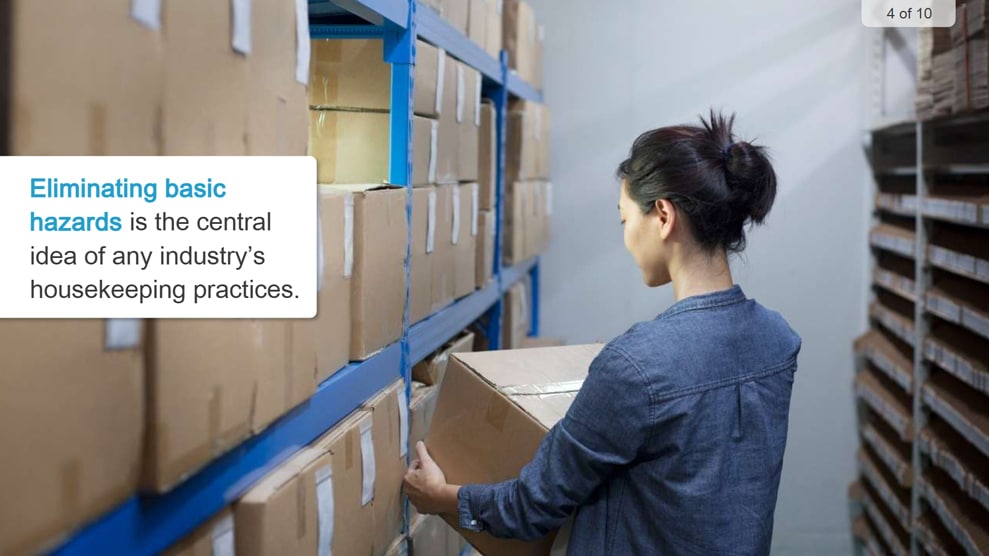
Traliant’s Housekeeping in the Workplace training is a 20-minute course that introduces employees to the EHS concept of housekeeping at work. Housekeeping lays the foundation for preventing workplace fall, fire, and health hazards. The course explains what good housekeeping looks like across different work environments and highlights simple, effective behaviors and best practices that every employee can apply to keep the workplace safe, healthy, and productive.
OSHA has found that good workplace housekeeping can help reduce injuries and accidents, improve morale, reduce fire potential, and make operations more efficient. Housekeeping lays the foundation that helps prevent workplace fall, fire, and health hazards.
ONLINE TRAINING
Workplace Housekeeping Training for Employees and Businesses
Housekeeping in the Workplace covers these topics and more:
- Definition of housekeeping
- Benefits of workplace housekeeping
- Areas of focus and best practices
- Why housekeeping matters at work
- Purpose and benefits of workplace housekeeping
- Elements of an effective housekeeping program
ALWAYS-ON RISK MITIGATION
A stronger compliance program with the tools to go deeper, ready when you are.
What is a Learning Topic?
A Learning Topic is everything you need to cover one subject, like preventing harassment or keeping data safe. It’s more than a single course. It pairs attorney-authored training with reinforcement tools that keep the protection going after the course ends.
How does it work?
The full course meets your requirements, giving a documented, defensible record. Reinforcement tools keep that protection working between annual trainings. Pick your Learning Topic, roll it out, and it keeps working all year.
What’s in a Learning Topic?
Reinforcement tools vary by topic, so each Learning Topic includes the mix that fits its subject.

Foundational courses
Comprehensive training written by our in-house attorneys and kept current as laws change. Produced with the quality of a TV show, so it holds attention and the lesson sticks.

Micro Reels
Short, just-in-time videos that reinforce key concepts right when employees need them most.

Refreshers
Short follow-up courses that strengthen retention between annual trainings.

Application Tools and Job Aids
Practical resources that help employees apply what they learned with confidence on the job.
Workplace Housekeeping Training FAQs

- Prevent accidents and injuries: Poor housekeeping practices, such as clutter, spills, and improperly stored materials, can lead to slips, trips, falls, fires, and other accidents. Training helps to reduce the risk of these incidents.
- Create a safer workplace: Training helps to create a safer work environment for everyone.
- Improve productivity: A clean and organized workplace is more efficient and productive.
- Empower employees: Training provides employees with the knowledge and skills they need to maintain a clean and organized workspace.
- Strengthen your organization's commitment to safety: Training demonstrates the company's commitment to providing a safe working environment.
- Reduce the risk of accidents and injuries: When employees are aware of the risks and take precautions, they are less likely to have an accident.
- Maintaining clean and organized work areas: This includes keeping floors clean and dry, removing clutter, and organizing tools and materials.
- Properly storing materials: Hazardous materials should be stored safely and securely, and all materials should be stored in designated areas.
- Disposing of waste properly: Waste should be disposed of in accordance with company policies and environmental regulations.
- Maintaining equipment: Equipment should be cleaned and maintained regularly to prevent malfunctions and accidents.
- Written procedures: Develop clear and concise written procedures for housekeeping tasks.
- Regular inspections: Conduct regular inspections of work areas to identify potential hazards.
- Employee training: Provide training to employees on housekeeping procedures and best practices.
- Accountability: Hold employees accountable for maintaining a clean and safe work environment.
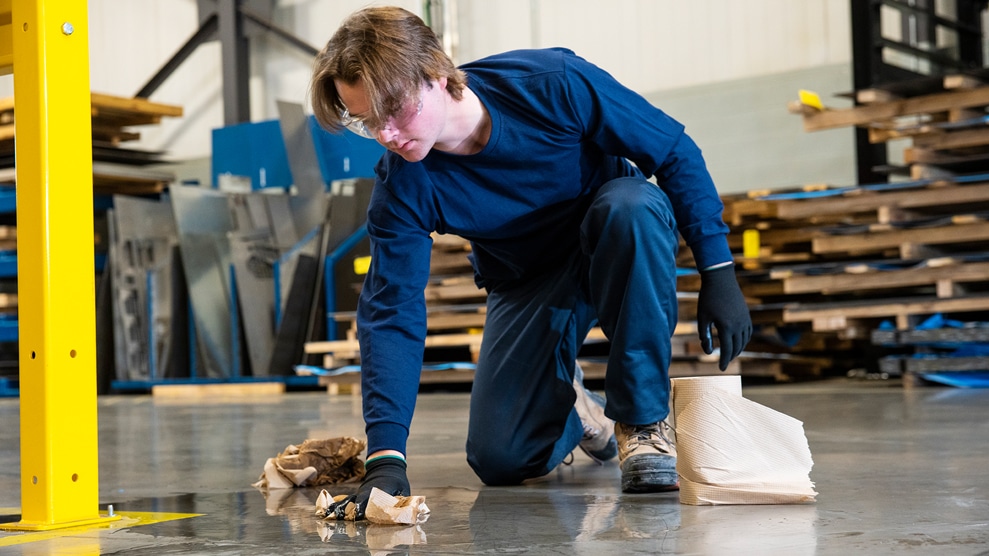
- Slips, trips, and falls: These are often caused by wet floors, loose rugs, clutter, or uneven surfaces.
- Prevention: Clean up spills promptly, keep walkways clear of obstacles, use non-slip mats, and repair damaged flooring.
- Fires: Fires can be caused by improperly stored flammable materials, faulty electrical equipment, or smoking.
- Prevention: Store flammable materials in approved containers and in designated areas, inspect electrical equipment regularly, and prohibit smoking in the workplace.
- Exposure to hazardous substances: Chemicals, dust, and other hazardous substances can pose health risks.
- Prevention: Use ventilation systems to remove hazardous substances from the air, provide personal protective equipment (PPE), and train employees on safe handling procedures.
- Reduced time searching for tools and materials: When items are stored in designated locations, employees spend less time searching for them.
- Increased focus and concentration: A clutter-free workspace can help to improve focus and concentration.
- Improved morale: A clean and organized workplace can boost employee morale and create a more positive work environment.
KEY FEATURES
Why you'll love our training
It’s time to embrace a new era of online training with a valued partner who will ensure seamless implementation, along with a learning experience your employees will truly enjoy.

Course administration
Traliant makes it simple to roll out training to your workplace and provide technical support directly to your employees at no additional cost.

Course customizations
Tailor courses to include your logo, relevant policies, workplace images, and more. Traliant can even customize the course with scenarios that take place in your own workplace environment.

Translations
Training is available in English, Spanish and is supported in over 100 languages.