
New York Compliance Training
Talk with our team
New York training in one platform
Traliant helps organizations meet New York training requirements while delivering a consistent learning experience across locations. Courses are developed and reviewed by in-house legal and compliance experts and updated as requirements change.

Legally reviewed New York training

Assignments based on location and role

Centralized records and reporting
WHAT’S REQUIRED
New York compliance training requirements
All New York Employers
Annual Sexual Harassment Prevention Training
Every employer with employees working in New York must provide interactive sexual harassment prevention training to all employees annually. Training must meet New York State requirements and include prohibited conduct, complaint reporting procedures, retaliation protections, supervisors’ responsibilities and available legal remedies. Employers should maintain records documenting completion.
Covered Retail Employers
Retail Workplace Violence Prevention Training
The New York Retail Worker Safety Act requires covered retail employers to provide workplace violence prevention training and maintain a written workplace violence prevention policy.
Training frequency depends on employer size:
- 10–49 retail employees: Upon hire and every two years
- 50+ retail employees: Upon hire and annually
Training includes:
- Workplace violence prevention policies
- De-escalation techniques
- Emergency procedures
- Active shooter response
- Reporting procedures
- Employer-specific workplace risks
Beginning January 1, 2027, retailers with 500 or more employees nationwide must also provide panic buttons or comparable emergency notification technology.

New York compliance training questions

LEGAL AUTHORITY
Reviewed and created by Traliant’s in-house legal team
New York compliance requirements continue to evolve, with training obligations that vary based on employer size, industry and employee role. Traliant's courses are developed and reviewed by our in-house legal and compliance experts to address applicable training requirements and help organizations keep pace with regulatory changes.
When requirements change, course content is updated to help your organization deliver accurate, current and defensible training—without rebuilding its compliance program.

Michael Johnson, J.D.
Board Advisor

Elissa Rossi, J.D.
Vice President of Compliance Services

John Brushwood
Compliance Counsel

Leondra Hanson, J.D.
Senior Compliance Advisor

Ashley Membere, PhD.
Senior Compliance Advisor

Katherine Schweit, J.D.
Senior Compliance Advisor

New York compliance involves more than one training requirement
Requirements can vary based on employee location, industry and workforce size. Traliant helps organizations deliver relevant training, manage recurring assignments and maintain the records needed to document compliance.
Requirements differ by location and industry
Every New York employer must provide annual harassment prevention training, while covered retail employers have additional workplace violence prevention obligations. New York City employers may also need to address city-specific requirements.
Deliver relevant, legally reviewed training
Provide training developed and reviewed by legal and compliance experts to address applicable New York State, New York City and retail workplace requirements.
Requirements vary across the workforce
Training obligations may differ based on where employees work, the type of workplace and the number of employees in the organization.
Create targeted assignments
Use employee location, role and other workforce data to assign the appropriate training to different employee groups.
Compliance requires more than completing a course
Organizations must assign the right training, meet recurring deadlines and maintain documentation. Managing these requirements manually becomes increasingly difficult across multiple locations, roles and employee groups.
Document compliance from one platform
Track assignments, completion dates and training records across your organization. Centralized dashboards, certificates and reporting help HR and legal teams verify compliance and respond confidently when documentation is requested.
One workforce. Different requirements.
Whether your organization operates from one New York location or across multiple states, Traliant helps ensure employees receive training based on where they work, the responsibilities they hold and the requirements that apply to them.
Create targeted assignments for:
- New York sexual harassment prevention training to all employees
- Retail workplace violence prevention training to covered retail employees
- Training to new employees during onboarding
- Annual or recurring training based on applicable requirements
- Refresher training before compliance deadlines
- Updated training as applicable requirements change
Connect training with your existing systems
Integrate with your HRIS, LMS and identity management systems to streamline employee data, assignments and completion tracking. Mobile-friendly training gives employees convenient access, while centralized reporting provides visibility across locations and employee groups.
Support a multilingual workforce
Deliver training in multiple languages to help employees understand the expectations, procedures and workplace risks that apply to them. Contact Traliant for current language availability by course.
What our customers are saying
Help employees understand workplace expectations and apply them in everyday situations.
“These courses aren’t just about checking boxes. They’re about how we treat each other, how we work together and make everyone feel included.”
-Bernadette Commisa, Director of HR and Learning at Barnes & Noble
View all customer stories

Resources you might be interested in


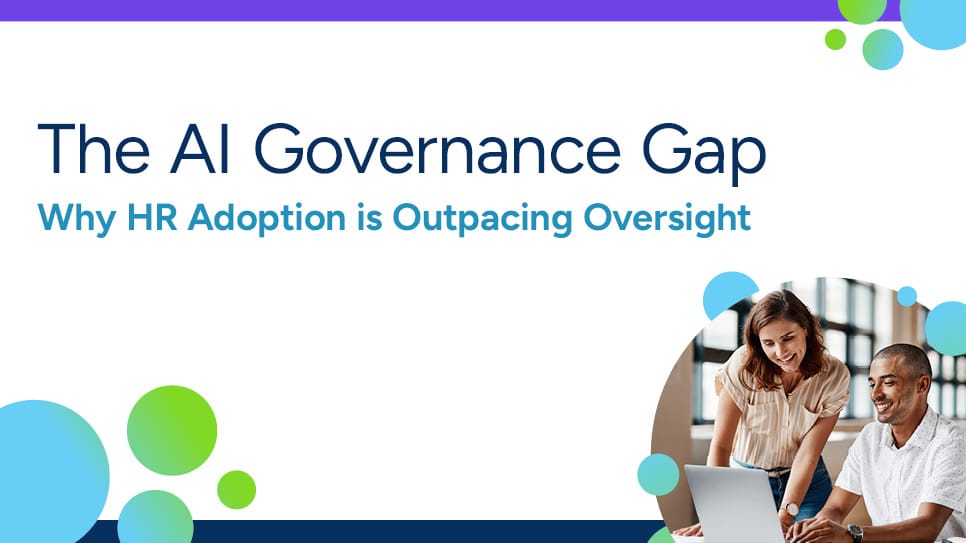
The AI Governance Gap Report
Reports & Guides

Grubhub Customer Story
Case Studies